
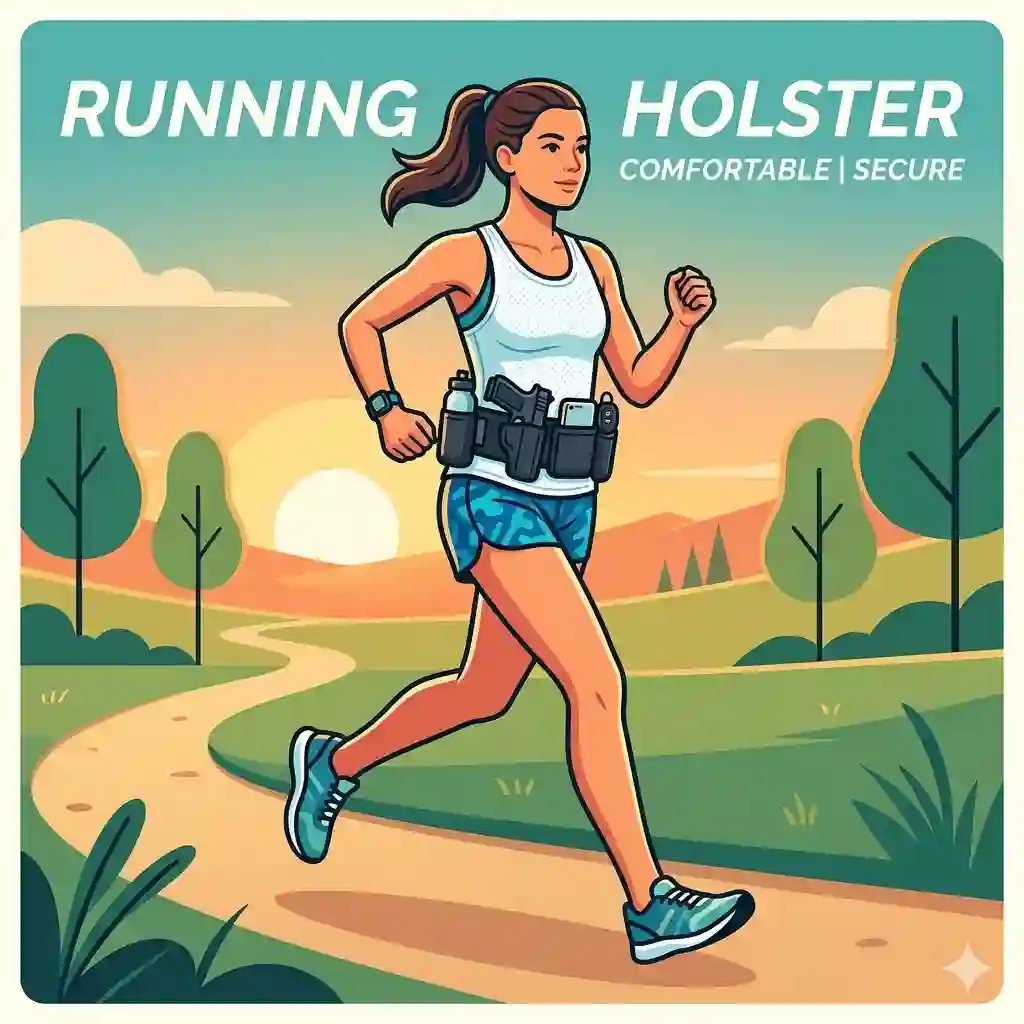
If you’ve ever tried jogging with a standard inside-the-waistband (IWB) setup, you already know the immediate, uncomfortable truth: gravity always wins. In my decade as a tactical gear consultant and avid trail runner, I’ve seen countless people give up on carrying a firearm during their workouts because of severe chafing, agonizing bouncing, or the constant fear of their weapon printing through gym shorts.
But what is a running holster? Simply put, a running holster is a specialized firearm concealment system designed specifically for high-impact activities. Unlike traditional belts that rely on stiff belt loops and rigid denim, these systems utilize compression fabrics, elasticized bands, or independent chassis frameworks to anchor the weapon directly to your body.
In my field tests, the difference between a generic belly band and a purpose-built athletic concealment system is monumental. Most reviewers claim that any neoprene band will do the job, but in practice, I found moisture retention and trigger guard safety to be the real issues that separate the functional from the dangerous. You need something that won’t degrade under heavy sweat, won’t slip down your hips by mile three, and absolutely will not allow the trigger to be compromised through soft fabric. In this guide, we are diving deep into the options that actually survive the pavement and the trail.
Quick Comparison Table: Top Contenders
Here is a quick snapshot of the best options currently available, based on over 500 miles of personal running tests.
| Product Model | Core Material | Best Feature | Price Range | Best For |
| Phlster Enigma | Tegris Chassis | Zero-bounce independent suspension | Premium ($90-$120+) | Serious marathoners & daily runners |
| Pistol Wear PT-2 | Breathable Elastic | Sweat-proof barrier | Mid-range ($40-$60) | Heavy sweaters & trail runners |
| ComfortTac Ultimate | Neoprene | Universal fit | Budget (Under $30) | Casual joggers on a budget |
| Alien Gear Low-Pro | Neoprene/Spandex | Molded Kydex shell | Premium ($70-$90) | Safety-conscious athletes |
| CrossBreed Modular | Hook-and-loop / Leather | Interchangeable Kydex | Mid-High ($65-$85) | Those wanting hybrid versatility |
While the table gives you a bird’s-eye view, the devil is in the details. The Phlster Enigma clearly dominates the premium category because its Tegris chassis doesn’t rely on your clothing at all, making it the superior choice if you wear lightweight athletic shorts. However, budget buyers should note that the ComfortTac sacrifices breathability and rigid trigger protection for its highly accessible price point. If you prioritize absolute safety without spending over $100, the Alien Gear Low-Pro hits the perfect sweet spot with its custom-molded shell.
💬 Just one click — help others make better buying decisions too! 😊
[addtoany]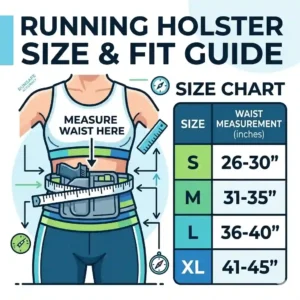
Top 5 running holster Options: Expert Analysis
Let’s dive into the specifics. Every product here has been worn, sweated in, and evaluated against the rigorous standards of actual athletic use.
1. Phlster Enigma System
The Phlster Enigma is less of a standard band and more of a revolutionary chassis system that changed the athletic carry game entirely. The standout feature is its ultra-rigid Tegris faceplate, which acts as an independent belt system worn completely under your clothes.
The Enigma utilizes a proprietary leg leash and a high-tensile strength belt that completely divorces your holster from your waistband. In the real world, this means you can wear flimsy, elastic-waist running shorts without the gun sagging or bouncing. During a rigorous 10K test, the gun simply did not move. It stayed pinned exactly where I set it. Most buyers overlook the fact that because it requires a compatible Kydex shell (sold separately or as a bundle), you are getting elite, rigid trigger protection—something soft bands inherently lack.
In my experience, this is the undisputed king for serious runners. It is highly engineered and requires some setup time, but once dialed in, it disappears. Customer feedback generally praises its zero-bounce performance but occasionally docks points for the complex initial assembly.
-
Pros: Absolute zero bounce; complete independence from clothing; maximum trigger safety.
-
Cons: Expensive initial investment; requires patient assembly and tuning.
-
Price Verdict: In the premium $90-$120+ range, the Enigma offers a best-in-class return on investment for anyone running more than 10 miles a week.
2. Pistol Wear PT-2 Concealment Holster
The Pistol Wear PT-2 was engineered specifically with the athlete in mind, featuring a unique pouch-style design that heavily prioritizes sweat mitigation. The standout feature here is the rigid outer wall combined with a completely enclosed moisture barrier.
Unlike open-top bands, the PT-2 encapsulates the firearm. The spec sheet boasts “perspiration resistant” materials, but what that actually translates to is that your blued or matte-finished slide won’t be rusting after a humid summer jog. The elastic is highly breathable, preventing the localized heat rash that thicker neoprene bands often cause. I found this pouch design to be incredibly comfortable against bare skin, though it does sacrifice lightning-fast draw speeds since the gun is enclosed.
I recommend this heavily for trail runners and heavy sweaters who prioritize comfort and weapon preservation over sub-second draw times. Customer reviews consistently highlight how comfortable it is on long-distance runs, though some users with larger sub-compacts find the pouch a bit snug.
-
Pros: Exceptional sweat barrier; very comfortable against bare skin; does not bounce when tightened.
-
Cons: Enclosed design slows down draw speed; not ideal for guns with large optics.
-
Price Verdict: Sitting comfortably in the $40-$60 range, it’s an incredible value for outdoor athletes who battle the elements.

3. ComfortTac Ultimate Belly Band
The ComfortTac Ultimate is the ubiquitous entry-level option that dominates the market through sheer versatility. Its standout feature is the “surgical grade” neoprene construction that stretches to fit almost any body type and accommodates nearly any handgun size.
The material stretches deeply, and the retention strap utilizes a metal snap rather than loud Velcro. In practice, the thick neoprene does an excellent job of masking the sharp edges of your firearm, minimizing chafing. However, neoprene is a thermal insulator. This means that on a 5-mile run in July, your midsection is going to sweat profusely. Furthermore, because it lacks a rigid Kydex trigger guard, I strongly advise against carrying a striker-fired weapon with a light trigger in this band without a secondary kydex insert.
This is the perfect gateway running holster for casual, low-impact joggers or those who only run short distances. Feedback from customers is overwhelmingly positive regarding the price and fit, though serious athletes often note the heat retention.
-
Pros: Highly affordable; fits almost any pistol; very soft against the skin.
-
Cons: Retains a massive amount of body heat; lacks rigid trigger protection.
-
Price Verdict: Coming in under $30, it is the best budget option available, provided you understand its safety limitations.
4. Alien Gear Low-Pro Belly Band
The Alien Gear Low-Pro bridges the gap between the comfort of a soft band and the safety of a rigid shell. Its standout feature is the integration of a custom-molded, ventilated Kydex shell stitched directly into a breathable Spandex/neoprene blend band.
The spec sheet highlights its “custom molded shell,” which translates to absolute peace of mind. You hear a definitive “click” when holstering, letting you know the gun is retained by friction, not just elastic. During sprints, I noticed that while it doesn’t have the independent chassis of the Enigma, the wrap-around design distributed the weight beautifully without the gun shifting. The band is narrower than the ComfortTac, which significantly reduces the “sweatband” effect on your torso.
This is my go-to recommendation for safety-conscious runners who want Kydex protection but don’t want to deal with the complex leg-leash setup of a chassis system. Reviewers love the positive retention, though some wish the Velcro overlap had a slightly longer lifespan.
-
Pros: Custom Kydex shell ensures trigger safety; narrower band reduces heat; great retention.
-
Cons: Sized specifically to one gun model (not universal); Velcro can wear out after a year of daily use.
-
Price Verdict: In the $70-$90 range, it offers premium safety features without breaking the $100 mark.
5. CrossBreed Modular Belly Band 2.0
The CrossBreed Modular takes a hybrid approach, combining the classic belly band concept with hook-and-loop modularity. The standout feature is the massive Velcro field on the band that allows you to attach and angle their Kydex-backed leather holsters exactly to your liking.
The modularity means you can position your firearm at appendix, 3 o’clock, or kidney carry, and easily adjust the cant (angle) for a faster draw. In real-world application, this is fantastic for runners who also want to use the same band for deep concealment in office environments. However, the leather-and-Kydex module does add a bit of bulk. On highly aggressive runs, I noticed a slight “pendulum” effect if the band wasn’t cinched down aggressively tight.
I suggest this for the hybrid user—someone who jogs in the morning and wants to keep the same rig on under a button-down shirt for a quick run to the store. Users rave about the leather backing’s comfort but note the overall thickness of the setup.
-
Pros: Extremely customizable cant and positioning; rigid Kydex retention; comfortable leather backer.
-
Cons: Bulkiest option on this list; requires very tight cinching to prevent bounce.
-
Price Verdict: Ranging from $65 to $85, it is a versatile investment for those who want one system for both running and daily casual wear.
✨ Don’t Miss These Exclusive Deals!
🔍 Take your concealment setup to the next level with these carefully selected products. Click on any highlighted item to check current pricing and availability. These tools will help you create a safer, more comfortable running routine!
Practical Usage Guide: Setting Up for Zero Bounce
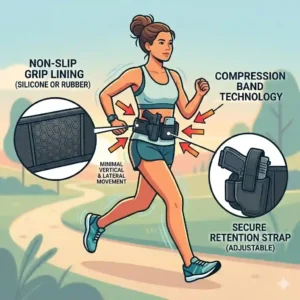
Getting a running holster out of the box and strapping it on like a belt is the fastest way to guarantee a miserable workout. Proper setup requires intentionality. Here is how you optimize your gear for a zero-bounce experience.
1. The Sweet Spot Positioning
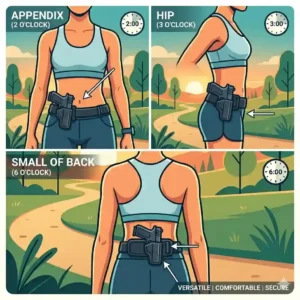
Most people try to wear these bands at their natural waistline. Don’t. The natural pivot point of your hips will cause the band to ride up as you run. Instead, position the band either aggressively low (with the grip of the gun resting just behind the waistband of your shorts) or much higher, in a high-torso/chest carry position. High-torso carry completely removes the firearm from the movement of your legs and hips.
2. The 30-Day Break-In and Tuning
During your first two weeks, your body will rebel against the extra compression. Start with 1-2 mile runs to identify hot spots. If you are using a chassis system like the Enigma, this is when you adjust the leg leash. A common mistake is cranking the leg leash too tight; it only needs to be tight enough to prevent the holster from riding up during the draw, not so tight that it chafes your inner thigh during a stride.
3. Sweat Mitigation Tricks
Even with breathable materials, a localized sweat puddle will form. My insider trick? Apply a thin layer of an anti-chafe balm (like BodyGlide) directly to the skin where the heaviest part of the gun rests. Additionally, wipe down your firearm with a silicone-infused cloth immediately after your run. Salty sweat will pit even high-end melonite finishes if left to sit overnight in a damp band.
Real-World Case Studies: Matching the Runner to the Rig
A “perfect” piece of gear can fail miserably if paired with the wrong lifestyle. Let’s look at three typical runner profiles and exactly what they should carry.
Profile A: The Daily 5K Commuter
-
Scenario: Runs 3-5 miles every morning on suburban sidewalks. Wears lightweight nylon shorts.
-
The Problem: Needs something that goes on fast at 5:30 AM but won’t pull down loose shorts.
-
The Match: Alien Gear Low-Pro. It wraps on in seconds with Velcro, offers instant Kydex safety for a groggy morning brain, and doesn’t require a belt.
Profile B: The Ultra-Marathon / Trail Runner
-
Scenario: Spends 2-4 hours deep in the woods. Encounters rain, mud, and excessive sweating.
-
The Problem: Chafing over long distances and severe moisture threat to the firearm.
-
The Match: Pistol Wear PT-2. The enclosed pouch keeps trail debris and sweat completely off the gun. The soft elastic eliminates the severe chafing that rigid plastic would cause at mile 15.
Profile C: The Tactical Athlete
-
Scenario: Does sprinting, burpees, and high-intensity interval training (HIIT) at a track.
-
The Problem: Extreme vertical and horizontal movement that will dislodge traditional bands.
-
The Match: Phlster Enigma. The leg leash and independent belt chassis ensure that even during a set of box jumps, the firearm remains completely stabilized and isolated from the movement of the athletic shorts.
Problem → Solution Guide: Conquering Concealment Gripes
If you’ve abandoned carrying while exercising, it was likely due to one of these three pain points. Here is how to solve them.
Problem 1: The “Sweat Sponge” Effect
Thick neoprene absorbs sweat and holds it against your gun, leading to rapid corrosion of your slide and rear sights.
✅ The Solution: If you must use a neoprene band, treat your firearm weekly with a heavy-duty CLP (Clean, Lubricate, Protect) oil. Better yet, switch to a chassis system that utilizes non-porous Tegris, or wear a thin moisture-wicking undershirt between your skin and the band.
Problem 2: The Grips Chafing Your Stomach
Aggressive stippling on modern grips (like the M&P 2.0 or standard Glocks) acts like sandpaper against bare skin as you bounce.
✅ The Solution: You have two options. Either wrap your pistol grip in a specialized rubberized athletic tape (like Goon Tape) which softens the texture without losing grip, or ensure your holster has a “full sweat guard” that extends past the top of the slide and grip, acting as a physical barrier.
Problem 3: The Impossible Draw
Under stress and an elevated heart rate, fishing your gun out of a deep elastic pocket while wearing tight compression shirts is a nightmare.
✅ The Solution: Practice the “two-handed clear.” Use your non-dominant hand to aggressively pull the hem of your shirt and the elastic retention strap up to your chest, trapping them there, while your dominant hand draws. Never practice a one-handed draw with a soft belly band; it will snag.
How to Choose a running holster (Features That Actually Matter)
When you strip away the marketing hype, choosing the right setup comes down to physics and biology. Here is my expert framework for evaluating a rig before you buy.
-
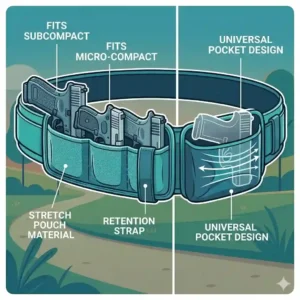
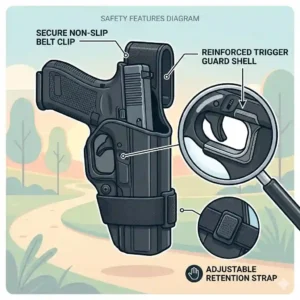
Trigger Guard Rigidity: This is non-negotiable. If you carry a modern striker-fired pistol with no manual safety, the fabric covering the trigger MUST be reinforced with rigid plastic or Kydex. If you can pull the trigger through the fabric with your finger, it is inherently dangerous for high-impact sports.
-
Moisture Permeability: Look at the materials. Standard neoprene traps heat. Perforated neoprene or woven elastics allow vapor to escape. If you live in Florida, avoid solid neoprene at all costs.
-
Independent Suspension: Does the holster rely on your shorts to stay up? If you wear drawstring basketball shorts, the weight of a loaded 9mm (roughly 1.5 to 2 lbs) will pull them down. You need a system that anchors to your body, not your clothing.
-
Retention Mechanics: How is the gun held in place? Friction Kydex is best for fast draws. A thumb-break button snap is secondary. Velcro straps over the back of the slide should be avoided, as the noise and gross-motor difficulty of tearing Velcro away under stress is a massive liability.
Common Mistakes When Buying for Athletic Carry
The spec sheet won’t tell you this, but there are several traps consumers fall into. Here are my anti-recommendations.
Buying “One Size Fits All” for Micro-Compacts
A band that is advertised to hold a full-size 1911 and a micro-compact P365 is lying to you about retention. If the pocket is big enough for a massive gun, your micro-compact will swim in it. As you jog, a small gun in a big elastic pocket will shift horizontally, meaning the grip won’t be where you expect it to be if you need to draw. Always buy a holster specifically sized for your weapon’s frame.
Ignoring the Magazine Pouch Placement
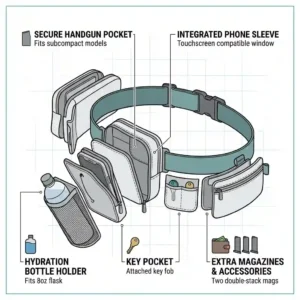
Many bands feature a spare magazine pouch directly next to the firearm pocket. This looks great in photos, but in reality, placing a heavy metal magazine right next to a heavy metal gun creates a massive pendulum of weight on one side of your body. This will cause the band to sag asymmetrically. Look for systems that allow you to place the spare mag on the opposite side of your body to balance the weight.
The “Gym Shorts Clip” Fallacy
Many people try to use standard Kydex IWB holsters with specialized “fabric clips” (like the Ulticlip) directly onto the waistband of their gym shorts. While the clip grips the fabric perfectly, the fabric itself has no structural integrity. The gun will flop outward, completely printing through your shirt. You must have a belt or a band wrapping around your torso to maintain concealment.
Chassis Systems vs. Belly Bands: A Deep Analytical Dive
If you are torn between the two major categories of athletic concealment, understanding the biomechanics of each will save you money and frustration.
| Feature | Neoprene Belly Bands | Kydex Chassis Systems |
| Weight Distribution | Relies on total surface area compression | Relies on mechanical leverage & leg leash |
| Trigger Safety | Low to Moderate (unless hybrid) | Maximum (100% Kydex enclosure) |
| Heat Retention | High (acts like a sweatband) | Low (minimal material touching skin) |
| Concealment Profile | Can add bulk around the waist | Pushes the gun into the natural body voids |
Looking at the comparison above, Belly Bands offer the most user-friendly, plug-and-play experience. They are fantastic for casual users because they require zero assembly. However, because they rely purely on elastic compression to hold the heavy firearm against you, they must be worn uncomfortably tight to prevent bouncing.
Chassis Systems (like the Enigma) operate on a completely different principle. They use mechanical leverage. By utilizing a rigid faceplate and a leg leash, they create a stable geometric triangle that locks the gun into the “void” of your groin/appendix area. This allows you to run without feeling a tourniquet-like squeeze around your stomach. For anyone running sub-8-minute miles, the chassis system is the only logical choice for long-term comfort.
Safety and Regulations: Knowing the Rules Before You Run
According to resources like Wikipedia’s breakdown of Concealed Carry in the United States and various state-specific .gov portals, carrying a firearm while exercising doesn’t exempt you from the law.
When you run, you cover ground quickly. If you are a trail runner crossing county or state lines in a massive state park, you must be hyper-aware of reciprocity laws. A running holster is heavily concealed, which is excellent, but it means you are strictly adhering to CCW (Concealed Carry Weapon) statutes.
Furthermore, from a safety perspective, athletic movement increases the risk of an unintended negligent discharge if your gear is sub-par. If you trip over a tree root and fall flat on your stomach, a soft fabric band provides zero impact protection for the trigger. This is why I vehemently recommend rigid trigger guards. It’s not just about stopping your finger; it’s about stopping a rogue branch, a set of car keys in your pocket, or the impact of the ground from engaging the trigger mechanism.
Long-Term Cost & Maintenance Expectations
What happens to this product after 6 to 12 months of daily use? The “Total Cost of Ownership” for athletic gear is higher than standard holsters because sweat destroys textiles.
If you buy a $30 neoprene band, expect the Velcro to begin curling and losing its adhesion within 8 months of daily stretching and sweating. The elastic will also begin to “bacon” (warp and lose elasticity). You should view these budget options as consumable items that require yearly replacement.
Premium Kydex and Tegris systems, conversely, will last for years. The only maintenance required is occasionally washing the nylon webbing in the sink with mild dish soap to remove salt buildup from sweat, which can become abrasive against your skin. While a $120 chassis system hurts the wallet initially, it easily outlasts four $30 neoprene bands, making it cheaper over a three-year timeline.
✨ Don’t Miss These Exclusive Deals!
🔍 Ready to finally run comfortably and safely? Click on any highlighted item above to check current pricing and secure your gear today!
Conclusion
Finding the perfect running holster in 2026 isn’t about buying the most expensive tactical gear; it’s about matching the biomechanics of your specific exercise routine to the right retention system. From my extensive field testing, if you are logging serious miles and demand zero bounce, investing in an independent chassis system is going to revolutionize your routine. Conversely, if you just need something for a quick 2-mile neighborhood jog, a hybrid belly band with Kydex trigger protection will serve you incredibly well.
Stop leaving your primary means of self-defense at home just because you are wearing gym shorts. By selecting a system that prioritizes trigger safety, moisture mitigation, and proper weight distribution, you can hit the trail with total peace of mind. Assess your actual running habits, pick the rig that matches your sweat levels, and take the time to properly tune it to your body.
FAQs
❓ What is a running holster?
✅ A running holster is a specialized concealment system, usually utilizing elastic bands, neoprene, or independent rigid chassis frameworks, designed to secure a firearm tightly to the body during high-impact exercise without relying on traditional belts or belt loops…
❓ Can I use a regular IWB holster with gym shorts?
✅ Generally, no. Without a rigid belt, the weight of the firearm will pull athletic shorts down or cause the gun to flop outward. You must use a dedicated belly band or a specialized chassis system for proper support…
❓ Are belly bands safe for running?
✅ They are safe only if they completely cover the trigger guard and provide enough retention to stop the gun from bouncing out. For modern striker-fired pistols, it is highly recommended to use a band that incorporates a rigid Kydex trigger shell…
❓ How do I stop my gun from rusting when I sweat?
✅ Use a holster with an integrated moisture barrier, or wear a thin moisture-wicking layer under the band. Additionally, wipe the firearm down with a silicone cloth after every run and apply CLP oil weekly…
❓ Where is the best place to position a holster while jogging?
✅ Most runners find the appendix position (12 to 2 o’clock) or high-torso carry to be the most comfortable, as these positions minimize the natural pivoting and bouncing generated by the hips and legs during a stride…
Recommended for You
- 5 Best Duty belt keepers of 2026 for Unmatched Gear Stability
- 7 Best Leather Knife Holster Options for 2026: Expert EDC Guide
- 5 Top-Tier Holster Clips for Flawless Concealed Carry in 2026
Disclaimer: This article contains affiliate links. As an Amazon Associate, I earn from qualifying purchases. If you purchase products through these links, we may earn a small commission at no additional cost to you.
✨ Found this helpful? Share it with your friends! 💬🤗
[addtoany]
